The New Era of Aesthetic Precision: Navigating Modern Injectables and Skin Tech
October 26, 2026
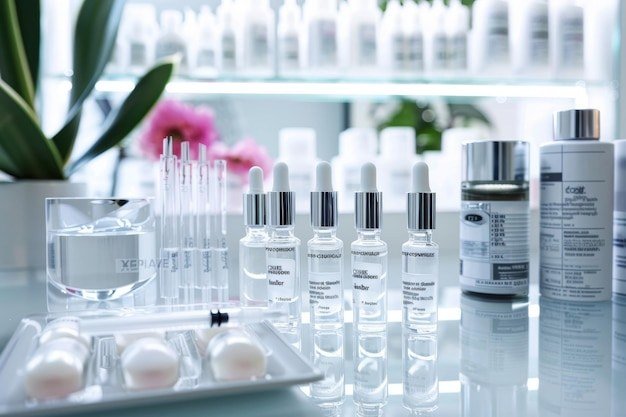
30 leading medical aesthetics companies are currently shaping a market that moves faster than most people realize. You might think of aesthetics as just a simple syringe or a quick facial, but the reality is much more complex. We are seeing a massive shift toward minimally invasive procedures and energy-based technologies that actually change how we think about aging.
It isn’t just about looking “younger” anymore. It is about skin health, structural integrity, and the science of regeneration. You walk into a clinic today and see products that were unheard of five years ago. The line between clinical dermatology and cosmetic enhancement has blurred into something much more integrated and effective.
If you have ever sat in a treatment chair, you know the anxiety of wondering if you’ll look “done” or just “refreshed.” That fear is driving innovation. People want subtle changes that look natural, and the technology is finally catching up to that desire for nuance.
Beyond the Needle: The Rise of Regenerative Solutions
The biggest change you’ll notice in a modern clinic is the move away from just “filling” a wrinkle. We are moving toward biological interventions. Instead of just adding volume with a gel, clinicians are using products that tell your body to fix itself. This is the heart of what aesthetic medicine involves today, specifically regarding regenerative medicine devices and biological cosmetic products.
You might have heard of skin boosters. These aren’t your standard dermal fillers. While a filler might add volume to a cheekbone, a skin booster works on a deeper, more hydrated level. They target the quality of the skin itself, improving texture and luminosity from the inside out. It’s a different philosophy: instead of masking a problem, you are nourishing the tissue.
Take, for instance, a patient who comes in with “crepy” skin on their neck. A traditional filler might look heavy or unnatural in that thin skin. However, a hyaluronic acid-based skin booster can rehydrate those layers, making the skin appear thicker and more resilient without changing the person’s facial structure. It is a much more subtle, sophisticated approach to aging.
The industry is seeing a massive influx of these “bio-stimulators.” These are substances that encourage your body to produce its own collagen. It is a slower process than a filler, but the results often look far more authentic because they are literally your own tissue being revitalized. It’s a long game, but the payoff is a much more natural finish.
When you are choosing a provider, you should ask about their range of injectables. You want a clinic that understands the difference between:
- Dermal Fillers: Used for volume and contouring.
- Skin Boosters: Used for hydration and texture.
- Biostimulators: Used to trigger long-term collagen production.
- Neurotoxins: Used for muscle relaxation and wrinkle prevention.
The Skincare Synergy: Why Clinical Products Matter
You can have the best dermatologist in the city, but if your home skincare routine is mediocre, your clinic results won’t last. This is why medical-grade skincare has become a pillar of the aesthetic industry. You cannot rely on supermarket lotions to support the high-tech work being done in a clinical setting. Professional-grade ingredients are often more concentrated and formulated to penetrate deeper.
Many clinics now offer comprehensive lines that bridge the gap between professional treatments and daily maintenance. For example, the Sugoi line by Aesthetics Medical focuses on reducing the visible signs of aging and discoloration. These aren’t just “beauty” products; they are functional formulas designed to complement clinical procedures. If you’ve just had a laser treatment, your skin barrier is vulnerable, and you need something specific to protect it.
It’s also about the specific ingredients that actually work. You should look for medical-grade products that contain stabilized Vitamin C, retinoids, or peptides. These aren’t just buzzwords. They are the workhorses of skin health. If you are serious about maintaining results, you might even look into specialized resellers like TOTAL SKIN to ensure you are getting authentic, authorized medical-grade formulations.
Why bother with the extra cost? Because the efficacy is different. A standard moisturizer might sit on the surface of your epidermis, providing temporary comfort. A medical-grade serum is often designed to bypass the initial barrier and reach the layers where cellular turnover actually happens. It is the difference between painting a wall and treating the wood underneath.
If you want to compare how different products might fit into your life, look at this breakdown of common clinical categories:
| Product Category | Primary Goal | Typical Ingredient/Tech |
|---|---|---|
| Exfoliants | Cellular turnover | Alpha/Beta Hydroxy Acids |
| Brighteners | Hyperpigmentation | Vitamin C, Niacinamide |
| Hydrators | Barrier repair | Hyaluronic Acid, Ceramides |
| Retinoids | Wrinkle reduction | Vitamin A derivatives |
Essential Inventory for the Modern Clinic
If you are looking to open a clinic or simply want to know what to expect when you walk into one, you need to know the 2024 essentials. The “must-have” list for aesthetic providers has shifted. It is no longer just about having a basic stock of fillers. It is about having a diverse toolkit that addresses various skin concerns simultaneously.
A high-performing clinic in 2024 needs to have access to a wide array of essential products like dermal fillers and skin boosters. These are the bread and butter of the industry. But you also need the “extras”—the specialized supplies that make a treatment truly professional. This includes everything from high-end waxing for smoothing the skin before a peel, to advanced biorepeels that provide deeper exfoliation than a standard chemical peel.
Suppliers like Aesthetic Beauty Supplies play a huge role here. They don’t just provide the big injectors; they provide the “niche” items like Lemon Bottle or RevitaLash that allow a clinic to offer a full suite of services. When a clinic can offer skin boosters, fillers, and advanced skincare all under one roof, they become a one-stop destination for aesthetic wellness rather than just a place for a quick fix.
You might find yourself asking, is it better to have a specialist for every single thing, or a generalist who does it all? The answer usually lies in the middle. The most successful clinics are the ones that can offer a “layered” approach. They might start with a skin booster to hydrate, follow up with a filler for structure, and then send you home with a medical-grade serum to maintain the glow. It is a holistic cycle.
Supply chain and product availability are becoming massive topics for owners. You need a distributor that is reliable and carries a wide range of brands. For those operating in specific regions, working with a trusted partner like Bavaria Pharma ensures that the products you are using are authentic and meet the high regulatory standards required for medical-grade aesthetics.
Navigating the Professional Landscape
The barrier to entry in this industry is changing. It used to be a very small, insular group of practitioners. Now, because of the rapid evolution of technology, the field is wide open for various professionals. People often wonder how to actually get a job in this sector. It isn’t just for doctors and nurses anymore; there is a growing need for highly trained estheticians and clinic managers who understand the science behind the products.
As the market expands, the demand for specialized knowledge increases. You can’t just “wing it” with energy-based devices or injectable neurotoxins. There is a heavy emphasis on training and continuous education. If you are looking to enter the field, you should focus on understanding the biological side of skin health, not just the application side. The more you understand how a product like a Biorepeel actually interacts with the epidermis, the more value you provide to your clients.
We are also seeing a massive shift toward “medicalized” spas. An aesthetic med spa is a specific type of facility that operates under medical supervision but offers a more relaxed, wellness-focused atmosphere. It’s a hybrid. You get the clinical results of a doctor’s office with the comfort of a high-end spa. This hybrid model is where most of the growth is happening.
The industry is moving toward personalization. The days of “one size fits all” Botox are fading. The future belongs to the practitioner who can look at your specific skin histology, your lifestyle, and your long-term goals, and create a bespoke plan that uses the latest in medical-grade science. It’s an exciting, albeit complex, time to be involved in the world of aesthetics.
The sheer pace of change in this field can be overwhelming, but for the consumer, it is a wonderful time. You have more options, more subtle ways to age gracefully, and a much deeper understanding of how to actually care for your skin at home. As technology continues to evolve, the goal remains the same: helping you look as vibrant on the outside as you feel on the inside.
Good to know
What is an aesthetic med spa?
An aesthetic med spa is a medical facility that combines traditional spa relaxation with medical-grade cosmetic procedures performed by licensed professionals.
What is the No. 1 brand recommended by dermatologists?
While recommendations vary by skin type, brands like SkinCeuticals and Obagi are frequently cited as top dermatologist-recommended professional skincare lines.
What are esthetic products?
Esthetic products are professional-grade topical formulations, such as chemical peels and serums, designed to improve skin texture, tone, and appearance.
How to get a job in medical aesthetics?
To work in medical aesthetics, you typically need a professional license in nursing, esthetics, or medicine and specialized certification in cosmetic procedures.
What is the difference between medical and cosmetic aesthetic products?
Medical aesthetic products often contain higher concentrations of active ingredients for clinical results, whereas cosmetic products focus on surface-level skin enhancement and daily maintenance.
The Gladmillions Journal
Peek behind the brands, the herbs, and the humour. From classroom chaos to kitchen remedies, this is where the real stories unfold — raw, rich, and real.